A safety valve is a pressure-relief device designed to protect pressurized equipment and piping systems from excessive pressure. It automatically opens when the system pressure reaches a predetermined set pressure, releases excess pressure, and closes once the pressure returns to a safe operating range.
Industrial safety valves are used to protect pressure vessels, pipelines, boilers, process equipment, and other pressurized systems from overpressure. They are widely used in Oil & Gas, Chemical & Petrochemical, Power, Water, and other industrial applications where pressure protection is critical.
Common types of industrial safety valves include spring-loaded safety valves, pilot-operated safety valves, balanced bellows safety valves, and other application-specific pressure relief designs. The appropriate type depends on the process media, pressure, temperature, required capacity, and system configuration.
Selecting the right industrial safety valve requires evaluating the process media, operating pressure, set pressure, temperature, required flow capacity, valve size, material, and applicable standards. Working with experienced safety valve suppliers can help ensure the correct valve is selected for reliable pressure protection and safe operation.
When choosing safety valve suppliers, consider their manufacturing experience, product quality, international certifications, testing capabilities, technical support, material options, pressure ratings, and after-sales service. A reliable safety valve manufacturer and supplier should be able to provide the appropriate valve for your application along with technical documentation and certification.
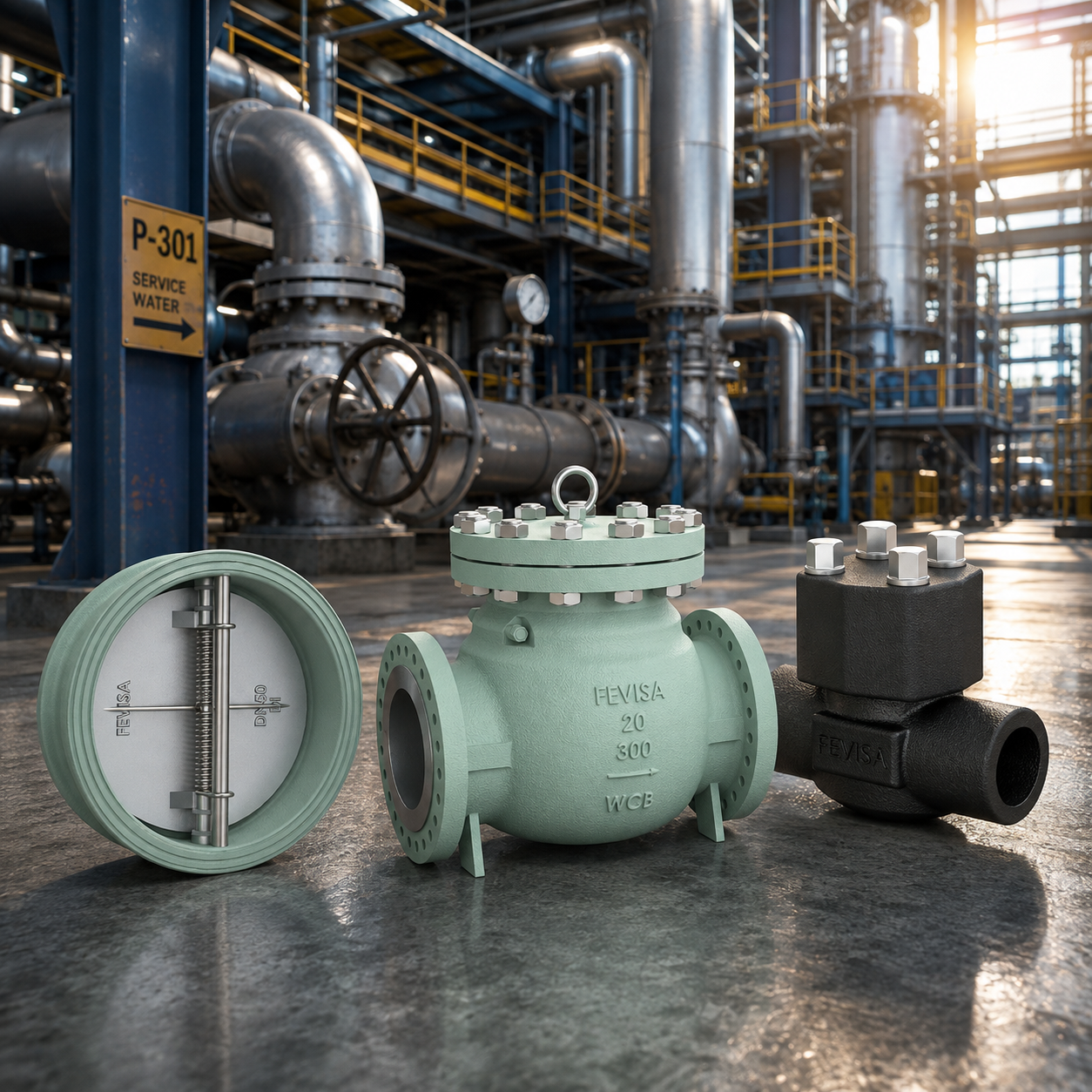
FEVISA is a trusted manufacturer of industrial valves and flow-control solutions for oil & gas, power, chemical, water, marine, mining, and other industries worldwide.
Copyright © 2026 Valvulas Fevisa. All rights reserved.